Renewables over 50%, wholesale prices down – is the energy transition … succeeding?
Tony Wood
Ten years ago, if a heatwave as intense as January’s record-breaker had hit the east coast, Australia’s power supply may well have buckled. But on this occasion, the system largely operated as we needed, despite some outages.
On Australia’s main grid last quarter, renewables and energy storage contributed more than 50% of supplied electricity for the first time, while the prices of wholesale power were more than 40% lower than a year earlier.
Australia’s long, difficult and complicated energy transition is finally working. As our recent research suggests, if these trends continue – and nothing new goes wrong – we should begin to see lower retail electricity bills by mid-2026. As more coal plants close and new transmission and storage infrastructure is delivered, electricity prices could rise again. But overall, shifting demand from gas and coal for power and petrol for cars is likely to deliver significantly lower energy bills for households.
It’s not yet job done and challenges remain, but the immediate trends are positive.
Renewables and batteries up, wholesale prices down
Last quarter, wind generation was up almost 30%, grid solar 15%, and gridscale batteries almost tripled their output. Gas generation fell 27% to its lowest level for a quarter century, while coal fell 4.6% to its lowest quarterly level ever.
Gas has long been the most expensive way to produce power. Gas peaking plants tend to fire up only when supply struggles to meet demand and power prices soar. Less demand for gas has flowed through to lower wholesale prices.
That doesn’t mean consumers will see immediate benefit, as wholesale prices are only about 40% of a power bill and most retailers move prices annually.. But if lower wholesale prices are sustained, it should begin to bring relief to consumers.
Power system holding up under strain
Last quarter was unusually good for the system. In recent years, many ageing coal plants have become less reliable. But the old plants held up at critical times. Rain filled the Snowy Hydro reservoirs, giving hydro power a boost, while solar and wind produced well.
In early January, intense bushfires ripped through grasslands, forests and several Victorian towns. Some areas lost power when timber power poles burned or when trees fell onto transmission lines. Sustained heat stress can cause power substations or transformers to fail more often. But these issues were mostly localised.
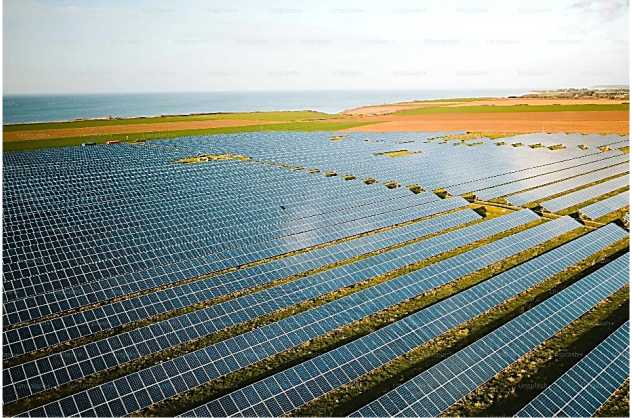
Until recently, summer heatwaves put real strain on the power grid, as millions of people fired up their air conditioners at once. But this summer, the system largely dealt fine. Not only were most fossil generators available most of the time, but high output from rooftop solar pairs exceptionally well with demand for air-conditioning.
Electricity storage expanding
Until very recently, electricity had to be made immediately before use. Storing it was only possible in expensive and uncommon pumped hydro facilities. This is why batteries are proving revolutionary. For the first time, power can be made and easily stored for later use.
Plummeting battery prices have led to a surge in installations in Australia. Since 2024, close to 4,000 megawatts of grid storage has come online. Until recently, grid batteries found more use stabilising the grid than powering it. But the growing fleet of grid-scale batteries is now beginning to outcompete gas by soaking up surplus solar and wind and releasing it during evening peaks.
At smaller scale, the government’s home battery rebate has been hugely popular, leading to cost blowouts and very rapid uptake. Many householders have found them a lifeline during power outages.
In the future, medium-scale community batteries able to power towns or suburbs could help boost grid resilience.
Transmission delays mean coal is needed longer
Hitting higher levels of renewables will require new transmission lines. Some of these are on track, but others are well behind.
This is one reason why NSW’s Eraring coal plant will sensibly keep running until 2029. Delays completing the new NSW-SA transmission line, EnergyConnect, also pushed back the planned closure of the Torrens Island gas power plant near Adelaide.
Gas plays an important role
Gas will be needed for a longer timespan than coal, given it can fire up quickly and fill gaps when wind and sun aren’t abundant. It won’t be used much, but will be an essential backup.
The role of gas is changing, but the gas market has its own challenges. Governments are trying to address longstanding gas market problems. Late last year, the federal government flagged a mandatory east coast gas reservation scheme.
Victoria at the pointy end
There are problems looming for Victoria, Australia’s most gas-dependent state. Bass Strait wells are running dry and most of QLD and WA gas is exported in the form of liquefied natural gas (LNG). The Victorian government recently opened up new areas for gas exploration after previously rejecting the idea.
A new plan by federal, state and territory energy ministers may see the Australian Energy Market Operator gain more power to intervene in the gas market, potentially through contracting for new infrastructure such as pipelines and import terminals.
The state government is trying to shift away from gas, but it’s a slow process.
The Victorian government has high hopes for offshore wind farms to take advantage of the stronger and more reliable winds whipping across Bass Strait. But progress towards the goal of 2 gigawatts by 2032 has been slow and no turbines have yet been install-Some developers have withdrawn applications amid global uncertainty and delays to the auction process. Last week, Victoria announced the process would finally begin in August. The question is whether enough time is left to replace retiring coal plants with new offshore wind.

Yes, it’s progress
It wasn’t so long ago it was popular to claim Australia’s grid could never accommodate more than 20% renewables. Now we’re at 50%.
That’s not to say it will be smooth sailing. The government’s goal of 82% renewables in four years looks to be a stretch. But it’s clear real progress is being made – not a moment too soon.
Source: The Conversation, 3 Feb 2026 https://theconversation.com/renewables-over-50-wholesale-prices-down-is-the-energy-transition-succeeding-274616
 Tony Wood is Senior Fellow in Energy and Climate Change at the Grattan Institute.